
The National Debt Solution
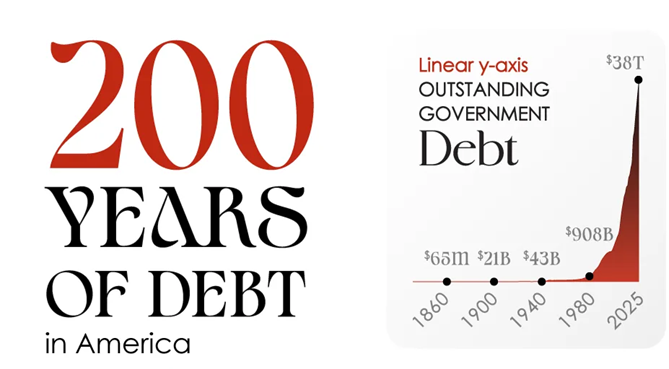
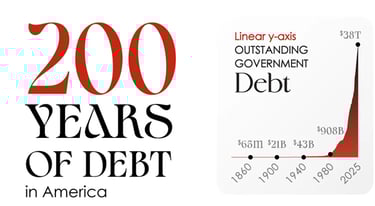
SOLUTION #1 - Grow our way out of debt:
The ability to "grow our way" out of the debt. Traditional growth ideas aren't big or impactful enough to be a major consideration. We need to bring a new growth model to the table.
The "Heroic Growth" model focuses on empowering and engaging the upcoming generation of workers - especially those that traditionally have a negative impact on the economy.
Heroic Learning is a proven and scalable life-skills learning platform for K-12 students and the data shows it puts kids on the right path to becoming a significant contributor to the economy - especially Title 1 students.
There are 20 million Title 1 students in the US - most of them are now on a path to becoming a net cost to society. If we get 50% of those students on the path to becoming a major contributor to the economy, ie the smartest, hardest-working, healthiest and most character driven workers on the planet (personally trained by Elon Musk - the world's greatest entrepreneur, through the Heroic Starbase platform), then we can project a net difference of about $7.5 million lifetime economic contribution per worker (net impact of $250k per year for 30 years) and this doesn't include the social benefits.
10 million workers delivering $7.5 million = $75 Trillion
All solutions need to be on the table to solve our $38 Trillion debt problem that is about to get very, very real in every American home.
We can bring 2 solutions to the table to add to all of the other required solutions:
SOLUTION #2 - Create the largest and most influential advocacy group in history:
If we are actively engaging with 50% of the 50 million K-12 students in the US, we are training 25 million students to be influencers for good. Each of those students is an active influencer for 4 adults in their circle. If those 4 adults become active voters (with the influence of the student), then thats about 100 million voters.
If there were 154 million voters in the 2024 Presidential election, then that means our 25 million kid influencers would be influencing about 65% of the voting population.
If managed properly, this group becomes the most impactful advocacy group in the history of the US.
This is how you get lawmakers to do things they normally wouldn't do - they will fear the public more than their special interest funders.
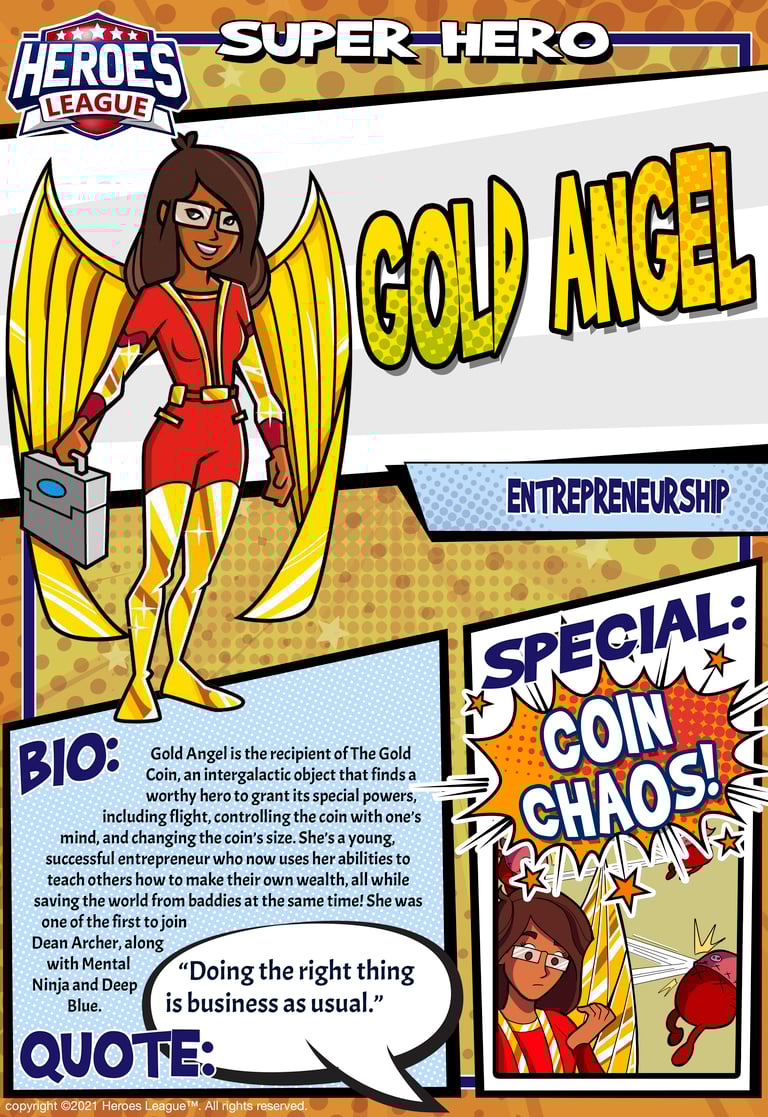
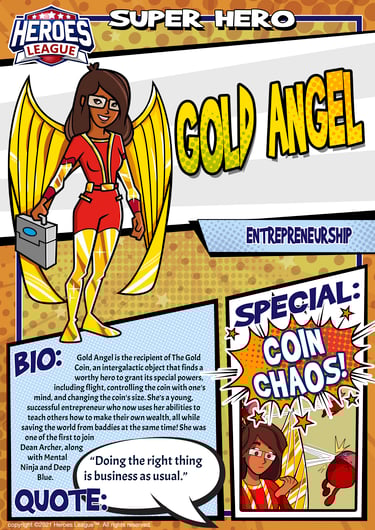
These 2 life-skills are just 2 of the 20 the kids are learning in the Heroic Learning platform - Entrepreneurship and Civics Literacy:


By adding these 2 solutions to the "debt crisis" solution mix, the US also gets a great PR boost as the rest of the world sees that its getting its education, government and prosperity pieces fixed and integrated and working to maintain America's leadership...
ie, other countries keep buying our T-bills!
When a ‘too big to fail’ America meets a government too broke to bail it out
Seton Motley - November 20, 2025
Washington pumped cheap money into every bubble for decades. Now the debt spiral, collapsing consumption, and a dying dollar leave no lifeline when the real crash comes.
I’ve been titanically bearish on America for years. Sorry. I can do math.
The United States owes more than $38 trillion. That alone makes the balance sheet hopeless. The debt is insurmountable.
America’s GDP in 2024 was $29.2 trillion, meaning the debt exceeds 130% of what we produce in a year. If this were a business, every financial adviser would tell you to file Chapter 11 and salvage what you can.
Washington keeps adding another trillion to the tab roughly every 100 days. As the debt climbs, interest payments climb faster. The country now spins in a debt spiral that ends only one way. Game over.
The more the world moves away from the dollar, the more tens of trillions of unwanted dollars come flooding home. You haven’t seen anything like real devaluation yet.
Then comes the $210 trillion in future unfunded liabilities — mostly Social Security and Medicare. Those numbers don’t pencil out in any universe.
Underneath all of it sits a sinking currency. The dollar lost 87% of its value since we abandoned the gold standard in 1971. For decades, the petrodollar arrangement held the world in our system by forcing oil purchases through the U.S. currency. Saudi Arabia let that mandate expire last year. Global energy deals immediately began shifting to other currencies.
The more the world moves away from the dollar, the more tens of trillions of unwanted dollars come flooding home. You haven’t seen anything like real devaluation yet.
To fund our binge, Washington must keep selling treasuries. But foreign buyers are losing interest. Rates rise. The government buys its own debt just to keep markets from buckling. The Cayman Islands now holds $1.85 trillion — the largest single foreign share and rising fast. Treasury officials tried to obscure the numbers. None of it signals stability.
Meanwhile, our economy rests on an absurdly fragile foundation: 70% consumption. Seven out of 10 dollars depend on Americans buying things they can no longer afford. Household debt hit a record $18.6 trillion — nearly two-thirds of GDP. Families now pay down debt instead of fueling growth.
Shrinking consumption means a shrinking economy. Shrinking economy means shrinking tax revenue. Combine that with a weakening dollar and the picture becomes darker still.
Enter artificial intelligence, the accelerant. AI threatens tens of millions of jobs within years, wiping out income and collapsing the consumption model even faster. A government facing falling revenue and exploding obligations cannot pretend to stay solvent.
Some cling to fantasies like universal basic income. With what money? The same government already $210 trillion short on existing promises? Please.
This all points toward an economic crash far larger than 2008. Washington froze that crisis with $29 trillion in bailouts — money it didn’t have then either. We conjured it and shoved it onto the national debt.
That option is gone.
Today the government sits too deep in debt, with a weaker dollar and fewer global buyers. And the next crisis won’t hit one sector. It hits everything:
Record mortgage debt: $13.1 trillion
Record credit-card debt: $1.2 trillion
Collapsing commercial real estate: $4.9 trillion
Big Tech borrowing hundreds of billions to inflate an AI bubble
OpenAI’s Sam Altman already expects an eventual government bailout for AI’s collapse.
Total U.S. debt — public and private — hit $102.2 trillion in 2024. Washington cannot rescue a single major sector, let alone all of them. The national debt was $10 trillion during bailout 2008. It’s four times that now. The dollar buys less. Foreign creditors show less patience.
So who steps in next time? Who buys the treasuries? Who absorbs the losses?
No one. Not abroad. Not at home. Nowhere on this planet.
That leaves Washington with only one move: Print tens of trillions in new dollars and hand them to itself — more IOIs (as opposed to IOUs) stacked on a pile already ready to topple.
And that printing wave will obliterate whatever value the dollar still holds.
Think the dollar’s fallen far? You haven’t seen anything yet.
This is What We're Up Against - its Time for Extreme Measures:
info@heroicstarbase.com
© 2025. All rights reserved.